Readable language
Long sentences and jargon make change harder than it needs to be. Our pages stay short, concrete, and easy to skim so you can return mid-week without re-reading a manifesto.
Studio rhythm
Tlexironoth is a Doncaster-based editorial space for Australians who want food choices to feel steady rather than theatrical. We write in plain language, avoid identity-based pressure, and keep the focus on small, repeatable routines you can test without relying on a single outcome. Content is general information only and does not replace advice from a qualified health professional where that applies.
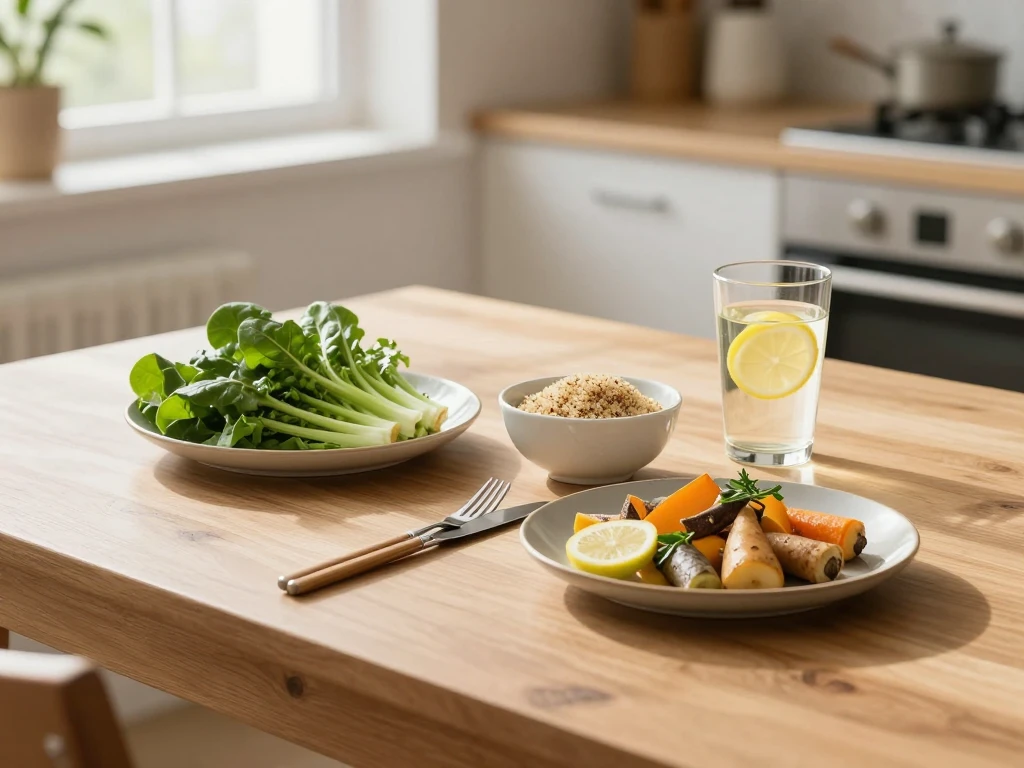
Food is tied to budget, culture, family schedules, and the shape of your week. We do not treat it as a scoreboard. Instead we describe patterns you can try for a week, then adjust with curiosity instead of shame.
Long sentences and jargon make change harder than it needs to be. Our pages stay short, concrete, and easy to skim so you can return mid-week without re-reading a manifesto.
When it helps, we reference Victorian seasons and shopping rhythms. The goal is recognition, not exclusivity.
Forms collect only what a reply needs. Legal pages explain retention, rights, and contact paths in one place.
We share general education. For individual concerns that need professional input, we say so plainly.
Plans that ignore yesterday’s roast or half a salad rarely survive Tuesday. We talk about remixing what is already in the fridge so creativity does not equal waste.
Big spikes of effort often collapse into fatigue. We prefer gentle loops: a breakfast template you can rotate, a shopping list that repeats with small variations, and a notebook line that asks how full you felt rather than how “good” you were.
Over time, repetition builds evidence. You can see which meals land softly on busy days and which ones create friction, then adjust one variable at a time.
Hunger, thirst, and tiredness are ordinary signals. We encourage noticing them without turning every sensation into a verdict. A glass of water before a snack can be an experiment, not a rule.
When you try something new, we suggest serving it beside familiar foods so curiosity does not collide with waste worries.
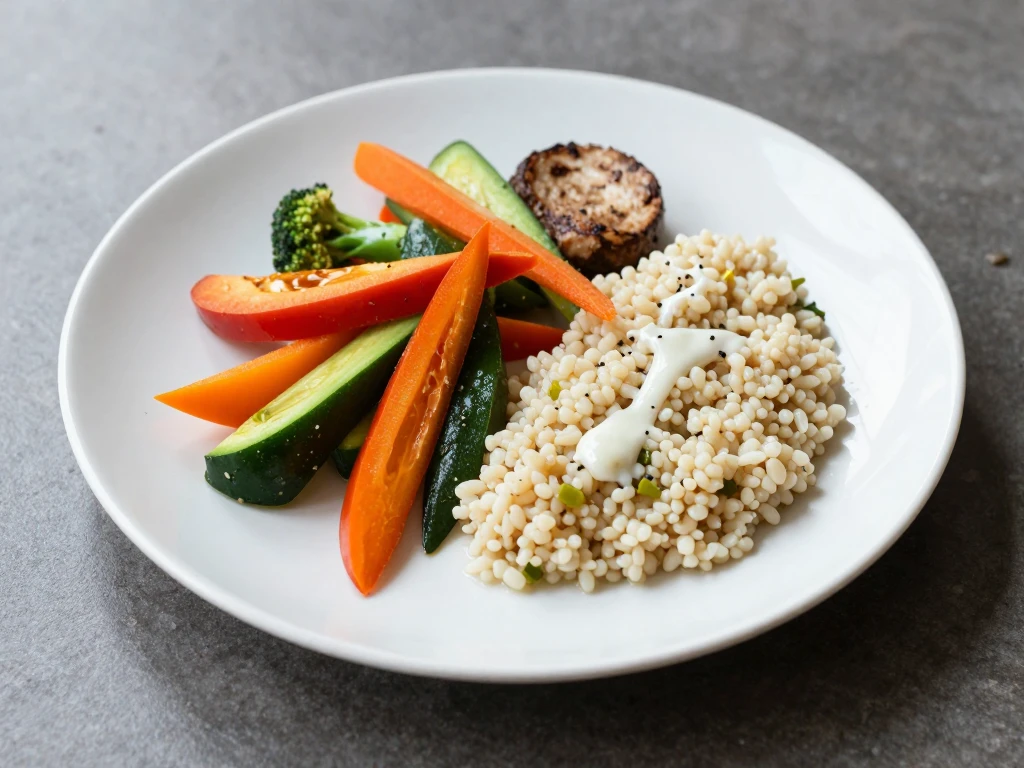
We like plates that look like Tuesday. Two vegetable colours, a protein you enjoy, a starch that fits your budget, and a small acidic lift at the end can be enough structure for hundreds of variations.
Keep sauces on the side when you want clearer signals from your palate. When you batch cook, split flavours into two lanes so the same grain can feel different on Wednesday and Thursday.
If something feels unfamiliar, serve a smaller portion next to familiar foods. The point is learning, not performance.
Sketch a loose map of dinners, not a script. Leave one empty evening for whatever appears in the crisper.
Anchor items you know you will use, then add one exploratory ingredient if the budget allows.
Roast a tray of vegetables and reuse them across bowls, wraps, and soups with different finishes.
Give your body a few minutes. A short walk or a sip of water often clarifies whether you want more.
Portions that feel comfortable for sleep are often smaller than portions built for social media.
Pantry staples, batch ideas, and bowls that adapt to what you already have. Built for weeks when time is short and attention is thinner.
Open Eat SimpleCompare options using effort, cost, enjoyment, and repeatability before you load the trolley at Doncaster or online.
Open ChooseTrack what you ate, how full you felt, and one sentence about mood. Patterns emerge without turning the notebook into a tribunal.
Share a question